


![[syndicated profile]](https://www.dreamwidth.org/img/silk/identity/feed.png) forthegothicheroine_feed) wrote2026-05-25 02:29 pm
forthegothicheroine_feed) wrote2026-05-25 02:29 pmhospitol for a wfile
hospitol for a wfile
truthout_feed) wrote2026-05-25 07:30 pmBy Serving as Stenographers to Power, Corporate Media Abetted Israel’s Genocide
News stories vie for our attention, our agreement, our understanding, and our view of what is real, and possibly most importantly, what is just. Journalists, reporters, and editors at the major US news outlets narrated the war for us, they imposed meaning, included evaluation, interpretations, and judgment. They also hid much of the truth of the violence. Interpretations and judgments arrive…
truthout_feed) wrote2026-05-25 06:58 pmTrump Has Turned Venezuela Into a 21st Century US Protectorate
Facing the growing loss of its unquestioned hegemony in the world system — that unipolar world that took shape after the end of the Second World War and was consolidated with the collapse of the Soviet bloc — conservative sectors have been arguing for several decades that the window of opportunity to prevent China’s power from equaling or surpassing that of the United States is closing.
hyperallergic_feed) wrote2026-05-25 05:43 pmThe Invincible Spirit of Edmonia Lewis
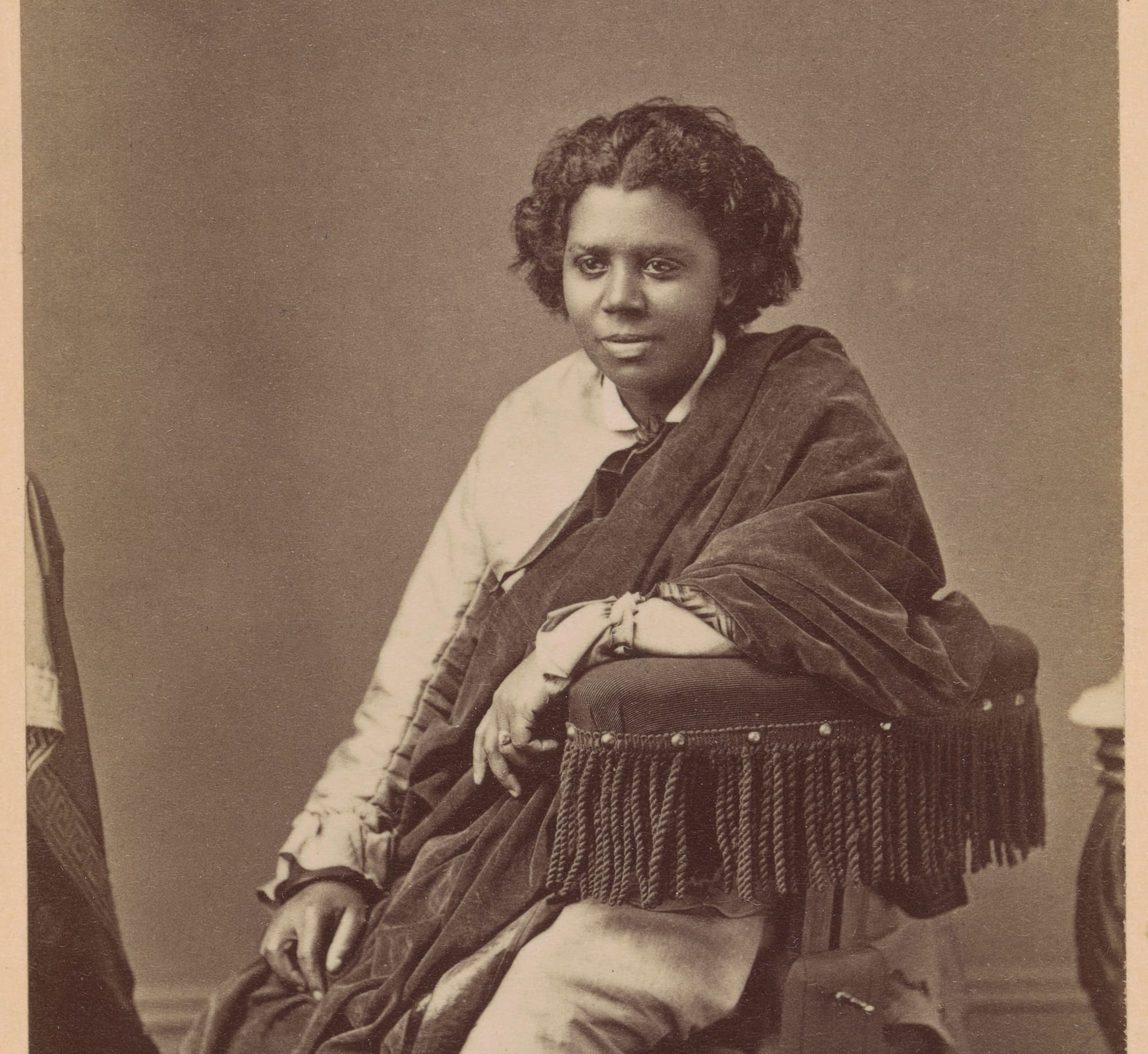
SALEM, Mass. — “Sometimes the times were dark and the outlook was lonesome, but where there is a will, there is a way,” the Black and Indigenous sculptor Edmonia Lewis once said. The quotation, now printed and spotlit on a dark blue wall in the exhibition Edmonia Lewis: Said in Stone, continues, “That is what I tell my people whenever I meet them, that they must not be discouraged, but work ahead until the world is bound to respect them for what they have accomplished.” Lewis — who was born in Greenbush, New York, in 1844 and died in London in 1907 — is paid such respect in her first major retrospective at the Peabody Essex Museum, held over a century after the artist’s death.
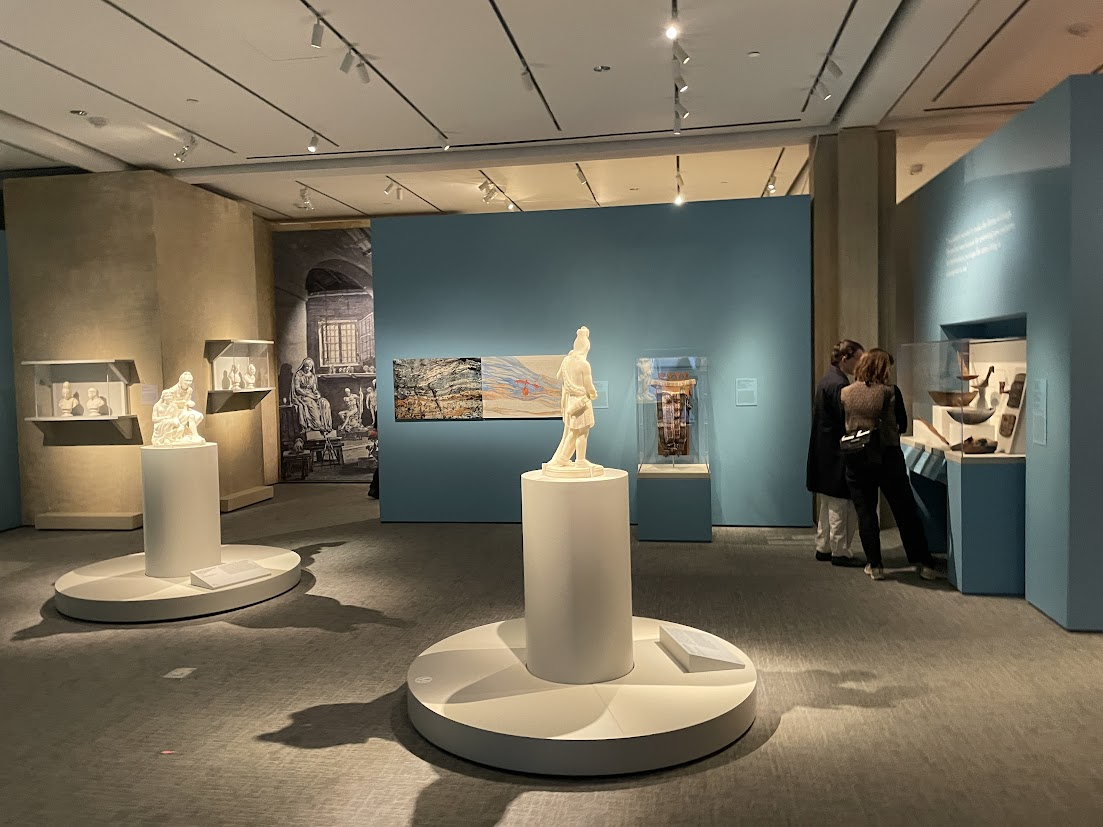
Co-organized by the Peabody Essex Museum and the Georgia Museum of Art, the extensively researched exhibition tells an expansive narrative of the artist’s sculpture practice and legacy, displaying 30 of Lewis’s Neoclassical white marble sculptures alongside a plethora of archival materials and works by other artists. One of the strongest elements of Edmonia Lewis: Said in Stone is that the curatorial framework allows for Lewis to be understood simultaneously as a Black and Indigenous artist without conflating the two identities. Indeed, each quite literally occupies its own space in the exhibition: Four thematic rooms — “Antislavery and Emancipation,” “Indigenous Artistic Worlds,” “the Studios of Rome,” and “Religion, Mythology, Transcendence” — are in conversation with one another and designated by different colors of wall paint. Through collaboration with Black and Native scholars, the groundbreaking exhibition is the first of its kind to present Lewis’s work in dialogue with both of her ancestries.
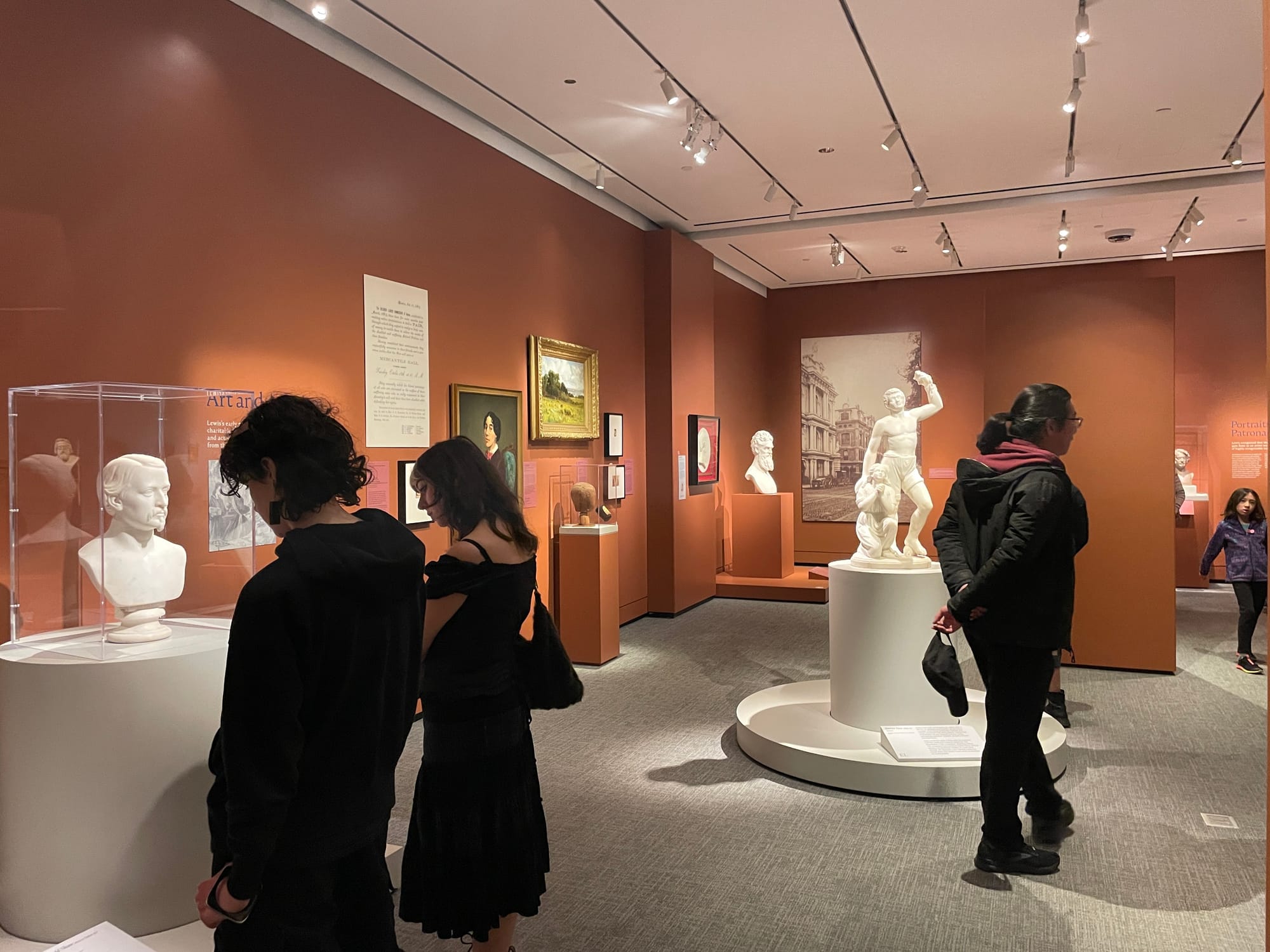
Text is key to this exhibition’s storytelling, especially considering how many of the works are not by Lewis herself. Before viewing the art, visitors can read a signed statement by the curators explaining that Lewis was likely the daughter of Richard Lewis, a free Black man, and Margaret Groat Mike, a Mississauga-Tuscarora woman. The statement further shares that while archival evidence remains inconclusive about her parentage, extensive research was conducted on Lewis’s upbringing with her mother’s family, who were Mississaugas of the Credit, an Anishinaabe nation in present-day Ontario near the US-Canadian border.
In 1865, Lewis moved from Boston to Rome — a premier hub for American Neoclassical sculptors from the late 1820s to the mid-1870s — and worked there as a sculptor until the early 1890s, when she moved to London. The exhibition informs visitors that within a few years of her arrival in Italy, Lewis was the first woman artist of Black and Indigenous descent to achieve widespread international acclaim. “I was practically driven to Rome,” Lewis explained, because “the land of liberty had no room for a colored sculptor.”
Lewis's voice is amplified across the exhibition, as she is quoted in vinyl lettering on the walls in many of its rooms. This curatorial decision brings Lewis in as narrator of her own practice and life, as opposed to speaking with an omnipresent museum perspective.
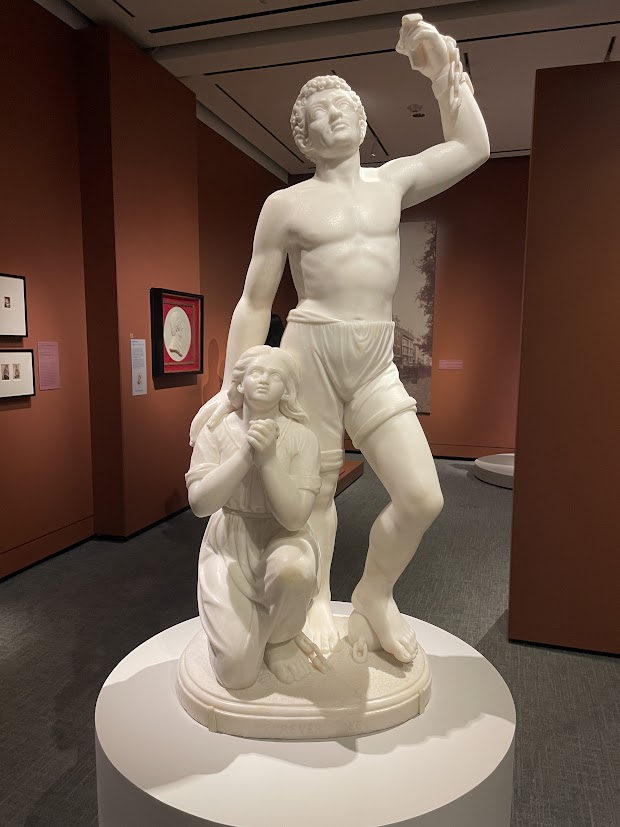
While abroad, Lewis’s practice did not shy away from activism; her work commented on current American political events. The first carved marble sculpture by Lewis that exhibition-goers encounter is “Forever Free” (1867), in which a man stands upright and looks up with his fist in the air. Broken shackles hang from his arm as a woman kneels beside him with clasped hands, also looking upward. “Forever Free” was the first sculpture by a Black American artist to celebrate Emancipation. Made in Rome, the composition borrows visual elements from ancient Greco-Roman marble statuary. Throughout her work, Lewis used the language of Neoclassical sculpture to spread her message while also borrowing imagery from her own time. For example, the exhibition links the kneeling woman in “Forever Free” to a similar image printed on the copper token "Am I Not a Woman & A Sister," produced by the American Anti-Slavery Society, and a 1863 newspaper printing of the Emancipation Proclamation.
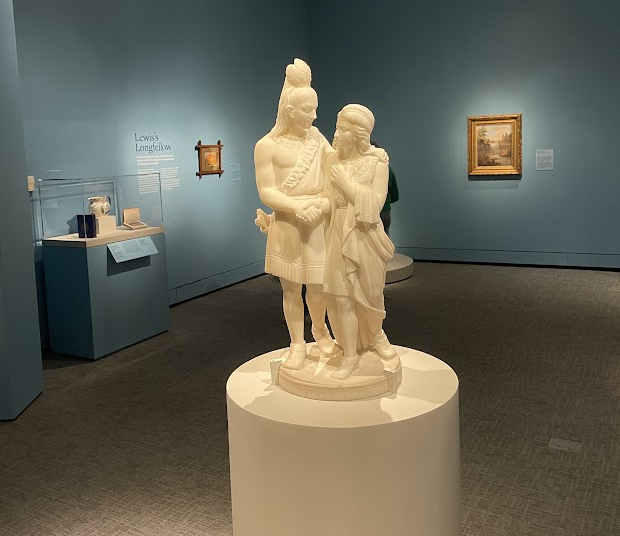
Displayed alongside 18th-century, 19th-century, and contemporary Haudenosaunee and Anishinaabe art, “Hiawatha’s Marriage” (modeled 1866, carved 1870) is displayed in another room. In response to Henry Wadsworth Longfellow’s popular poem of 1855, “The Song of Hiawatha,” Lewis carved the union of Dakota woman Minnehaha and Ojibwe warrior Hiawatha. In this work, the synchronized contrapposto of Minnehaha and Hiawatha insinuates equal agency, further emphasized as the two appear to shake hands as equals. The label for the work points out that while other artists portrayed the couple with Hiawatha leading Minnehaha away from her home or Hiawatha’s figure dominating a passive Minnehaha, Lewis carved the pair with an Indigenous feminist sensibility, the figures’ stances signalling intertribal diplomacy.
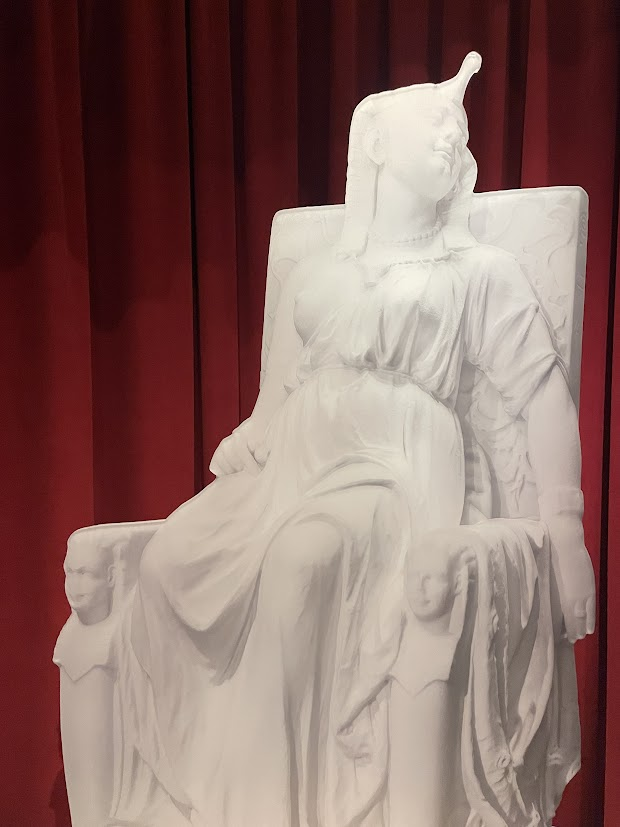
In Lewis’s best-known work, “The Death of Cleopatra” (1876), the artist carved Cleopatra in her feminist Neoclassical mode, depicting her as an honorable leader in death. Gripping the snake that fatally bit her to avoid bondage by the Roman Empire, Cleopatra’s corpse sinks in a chair. First debuted at the Centennial Exhibition in Philadelphia in 1876, the work was thought to be lost but eventually rediscovered. Due to its fragility, it is absent from the exhibition and instead replaced with a cardboard replica. While the replica is somewhat disappointing in its lack of depth and presence, it is a reflection of the reality that Lewis’s work did not receive the proper conservation that it deserved for many years. In a subsection titled “Black Cultural Memory,” the exhibition points to how, for the past 150 years, Black women’s organizations and Historically Black Colleges and Universities (HBCUs) advocated for Lewis’s work and preserved her legacy. Other works by Lewis remain lost, pointing to the importance of this research today.
The exhibition closes by demonstrating Lewis’s legacy in a powerful work by Gisela Torres, a London-based interdisciplinary artist of Afro-Cuban descent who feels a deep “psychic connection” with the sculptor. In a video work titled “Reverie and Slumber” (2020), Torres dreams of Lewis. Video footage of Rome is projected on plaster casts of Torres's head, overlaid with audio of the artist singing Peggy Lee’s 1969 song “Is That All There Is?” and whispering names of other Black women sculptors. (These names include the Black and Indigenous sculptor Nancy Elizabeth Prophet (1890–1960), whose first museum survey toured in 2025.) “Reverie and Slumber” is from Torres’s ongoing reclamation series Looking for Edmonia (Self-Portrait) (2018–present), which began after she read an article about the discovery of Lewis’s unmarked grave in a London cemetery where she regularly walked.
Edmonia Lewis: Said in Stone’s contribution lies not just in its carefully curated presentation of her artworks, but also in its critical research on the artist and her life, demonstrating how her legacy was carried forward by the Black community. It is deeply moving. I imagine that, as the exhibition travels to two other museums, it will reach other contemporary artists who, like Torres, follow in Lewis’s footsteps.
Edmonia Lewis: Said in Stone continues at the Peabody Essex Museum (161 Essex Street, Salem, MA) through June 7, when it will travel to the Georgia Museum of Art (90 Carlton St, Athens, GA), followed by the North Carolina Museum of Art (2110 Blue Ridge Rd, Raleigh, NC). The exhibition is co-organized by the Peabody Essex Museum and the Georgia Museum of Art at the University of Georgia.
truthout_feed) wrote2026-05-25 05:48 pmIsrael Advances Plan to Displace Palestinian Bedouin Communities in West Bank
Salem al-Jahalin, 73, also known as Abu Nayef, circles his home in the Jabal al-Baba Bedouin community outside the town of al-Aizariya, east of Jerusalem. His eyes scan the surrounding terrain as far as he can see, bracing for any incursion by the Israeli army. This is the fourth time the military has threatened to demolish his home, delivering, once again, a notice informing him that his land had…
 truthout_feed) wrote2026-05-25 04:34 pm
Pope Leo Issues Encyclical Warning of AI’s Potential Dangers If Left Unregulated
Pope Leo XIV on Monday released a 42,000-word encyclical calling for government regulation of artificial intelligence and implored world leaders to ensure the burgeoning technology is used for the benefit of all humankind — not concentrated in the hands of a powerful, profit-seeking few. Leo warned in the first major theological document of his papacy that unrestrained AI and its potentially…
smbc_comics_feed) wrote2026-05-25 11:20 amSaturday Morning Breakfast Cereal - Bonzo

Click here to go see the bonus panel!
Hovertext:
The hard thing about male clowns is you have to disbud them at a young age are they get dangerous.
Today's News:
truthout_feed) wrote2026-05-25 04:04 pmA Minute of Silence Isn’t Enough to Reflect on the US’s Death and Destruction
Thirty years ago, school kids touring Lafayette Park in Washington, D.C. were asked what Memorial Day meant to them. “That’s the day the pools open!” they responded, as if in a chorus. Their response rippled across the U.S. and created a bit of a moral panic among the patriotic and civil-minded. The following Memorial Day, Congress sought to put the “memorial” back into the holiday. “Taps…
truthout_feed) wrote2026-05-25 03:43 pmThis Tehran Music School Took Ages to Build Up. Airstrikes Turned It to Rubble.
Tehran’s sky was still half-lit around 5:00 am on March 23 and the Iranian capital’s characteristic traffic jam hadn’t formed yet. Hamidreza Afarideh hadn’t left for work, but he heard blaring alarms from a remote anti-theft system on his phone that suggested something ominous may have happened at his workplace. As the musician steered toward the often-crowded Pirouzi district in eastern…
hyperallergic_feed) wrote2026-05-25 04:00 pmFor Ceija Stojka, Memory Is Survival

In an untitled landscape Ceija Stojka made in 1995, the sunset lights up an Austrian lake. Her family’s traveling wagon is on the water and her kin is around the perimeter gazing at the scenery and fishing. Thick brushstrokes of acrylic on paper emphasize the immediacy of the idyllic memory. Throughout her memoirs, including The Memoirs of Ceija Stojka, Child Survivor of the Romani Holocaust, posthumously translated in 2022, Stojka equates the Romani tradition of living in horse-drawn wagons with natural splendor — sleeping outside, enjoying vistas, and hearing birds chirp — manifesting the culture’s spirit of independence. Wagons themselves are a key symbol of sovereignty; the wheel even appears on the Romani flag.
On view at the Drawing Center, Ceija Stojka: Making Visible showcases her self-taught practice and outsider perspective, both in the art world and as a Romani woman in Europe, through over 50 paintings and drawings. Like some of the best artists of the late 20th and early 21st centuries, Stojka, who passed away in 2013 at age 79, worked across media — poetry, painting, writing, performance, and music. Her work is evidence that the core of creativity lies not in institutional education — she attended formal schooling only briefly as a child — but in the capacity to convey complex personal experience. As Roma writer and scholar Cristiana Grigore, a contributor for this magazine who was a consultant for the exhibition, told me, “She didn’t need permission or validation that usually comes with being officially called an artist. She just had the desire to express herself with the instruments she had.”
An Austrian Romani child survivor of the Holocaust, her art also made the atrocities inflicted on her people publicly visible, raising awareness of the richness of their culture as well as the centuries of persecution that persist today. In the late 1980s, she became the first Romani-Austrian woman to recount her experience of the Holocaust, though she initially faced resistance from her own historically patriarchal and insular community. Through her paintings, she rejected fascism not only by depicting what she endured but also by embracing freedom, underscored by tender examinations of everyday Romani life. What she accomplishes is more than a reminder to never forget history: It is a painstaking argument for the value of remembering, at both the personal and collective levels.

In 1933, Stojka was born into a Lovara family, one of five ethnic Romani groups in Austria during the early 20th century; as a whole, they currently number approximately 10 to 12 million people across Europe with many diverse subgroups, customs, and languages. Across these varied backgrounds, a common thread is centuries of persecution stretching back to the Holy Roman Empire in the 1500s — which continues despite the efforts of advocacy groups, whose work intensified in the aftermath of the Holocaust, which killed an estimated 500,000 Romani people.
Damaging stereotypes accompany this systematic oppression, including a notion of “gypsy life” as synonymous with exoticized mystery, vagrancy, and danger. Stojka and her family led a peripatetic life throughout Austria, a lifestyle that declined throughout the 20th century, but the richness of the experiences she affectionately documented in paintings and memoirs dismantles such tropes.
In 1941, when Stojka was around eight years old, her father was arrested and taken to a camp in Dachau, where he was later murdered. She and the rest of her family were taken to Auschwitz two years later. Her sense of loss and confusion during this time is suggested by another untitled 1995 painting depicting the same body of water as the aforementioned painting, Lake Neusiedel, at the border between Austria and Hungary. But in this scene, set in winter, the lake is placid, and objects are scattered outside a cluster of abandoned caravans beside a Nazi flag buried in the snow, a clear reference to the Gestapo rounding up Romani.

The artist’s description of her two years across Auschwitz, Ravensbrück, and Bergen-Belsen as a child in her memoirs is devastating: the constant presence of death, incessant physical and verbal abuse, starvation, and unbearable labor. In one poem, Stojka writes, “My fear stayed in auschwitz / and in the camps. / Auschwitz is my overcoat / Bergen-Belsen is my dress / And Ravensbrück is my undershirt / What should I be afraid of?”
Her drawings are the visual manifestation of her words. “Sad Earth” (1998) renders a mass arrival of prisoners to Auschwitz, bodies clustered together as a series of long green lines, suffering in the winter. Here and elsewhere, the rendering of figures loosely, almost abstractly, is a critical tool for the artist to emphasize the trauma of her experience.
One of the most unsettling images of Stojka's oeuvre, the watercolor-on-paper work “They Devoured Us” (1995), frames the face of a Nazi officer with bloodshot eyes, his mouth gaping horrifically with blood spurting out of it. The painting embodies the term porajmos, coined by activists with the dual meaning of “the devouring” and “the destruction,” to reference the Romani Holocaust.

“Untitled” (1999), meanwhile, layers emaciated, wraithlike bodies holding red bowls of soup. Their compressed bodies, brownish skin marked with black lines, and gaunt extremities expose the destitution of the camps. A small tree branch, which frequently accompanies Stojka’s signature, grows from the lower right-hand corner of this composition, referencing a small deciduous tree that her family found at Bergen-Belsen and used for sustenance right before they were liberated. Visiting the camp back in the early 2000s, Stojka actually found and reunited with the tree that literally saved her family — again, nature provided.
While Stojka’s artistic and advocacy work in the aftermath of the Holocaust certainly was critical, it is important to note that she also lived an expansive, vigorous life afterward. This included re-enrolling in school to achieve full literacy, raising three children, and negotiating a country that continued to hold deep prejudices against the Romani. In fact, Stojka only began painting late in life, while spending time with her grandchildren. They would do arts and crafts together; informal experimentation eventually turned into a full-time practice. “I can’t help but stop and think about the fact that she was inspired by her grandchildren and the tools that were available to them,” Grigore reflected. “She had the freedom within herself, and the courage, to not say to herself ‘I’m too old to do this.’”
Stojka’s visual and writing practices evidence the artist as a polymath, a maker capable of implementing different media to achieve a cohesive and massive body of work for us to interpret. But as Grigore puts it, “She has a very meaningful message to share with the world; the focus is on the message itself, and not on the medium, whether we call it storytelling, music, painting, or poetry.” That message — that art is essential to preserving both individual and collective memory in the service of better futures — is evident in the expressive, enduring, and consequential works she left behind.
Ceija Stojka: Making Visible continues at the Drawing Center (35 Wooster Street, Soho, Manhattan) through June 7. The exhibition was curated by Lynne Cooke with Noelig Le Roux.
hyperallergic_feed) wrote2026-05-25 03:00 pmHow Betye Saar Set Black Dolls Free
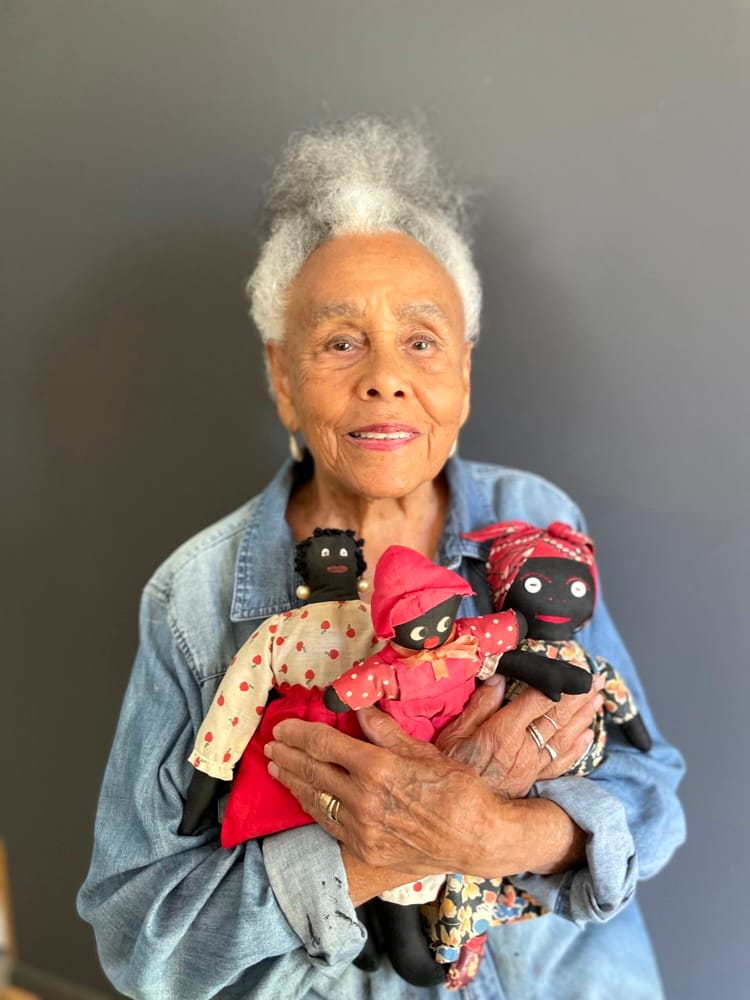
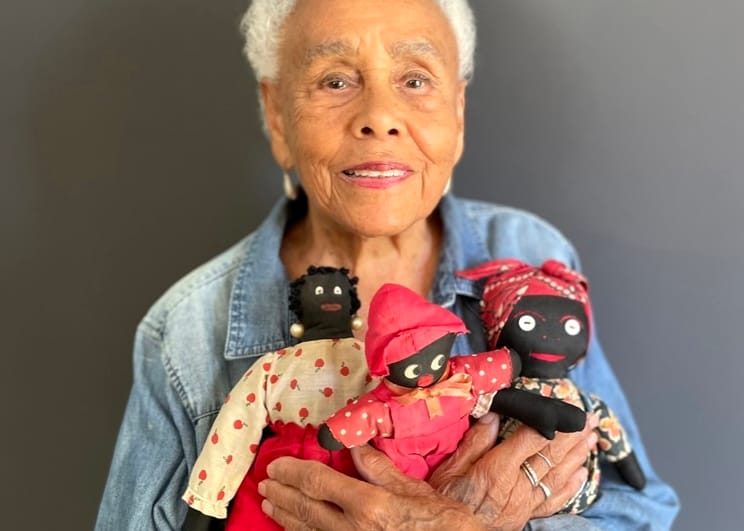
Betye Saar has been accumulating ephemera — taxidermied animals, cages, computer parts, and more — throughout her life. Since the 1970s, she has crafted these found objects into assemblage artworks that often subvert racist artifacts and images, beginning with her famed sculpture “The Liberation of Aunt Jemima” (1972). “I knew I could not avoid the pain, so it became part of my art,” she said in 1973, as quoted in the monograph Black Doll Blues.
Today, her studio is filled to the brim with objects and ephemera gathered from nature, on her international travels, and at flea markets. On one special shelf sits her cherished collection of Black dolls. Some of these dolls, which Saar calls a “family,” have traveled to New York City, where they are now on view through October 4 at the New York Historical alongside paintings, prints, and sculptures featuring figurines. Nearing the occasion of her upcoming 100th birthday, the exhibition celebrates Saar’s promised gift of her collection of over 100 dolls to the institution.

While the artist, over the years, has considered cleaning out her studio, “the dolls are the one thing she can't discard,” Wendy Nālani E. Ikemoto, vice president and chief curator of the New York Historical and the exhibition’s co-curator, told Hyperallergic.
“It is very meaningful that she's entrusting us with these dolls,” added co-curator Rebecca Klassen.
Born in 1926, Saar never had a Black doll of her own to play with as a girl. She came across her first as a college student in 1949 — an Amosandra doll — and became enthralled by them. She began incorporating them into her art practice in the 1970s, and they have figured into her work ever since, appearing in assemblages like “Indigo Mercy” (1975) and the print “Aunt Jemima and Hoo Doo Doll” (1972).
"I began collecting Black dolls decades ago. Some are hand-made, others manufactured, some even represent derogatory racial stereotypes. They each have a history and I feel some even have an energy of their past life, of the little child who loved them,” Saar said in a statement to Hyperallergic.

At the start of the COVID-19 pandemic, the artist found comfort in these dolls and began pulling them down from the shelf and painting them into little scenes, using watercolors, a medium she had seldom explored over her long career.
“I took solace in painting them and imagining their mystical adventures,” Saar continued.
Dolls are ubiquitous playthings — among the oldest toys in history. Simultaneously a form of textile art and an integral form of play, they also became, over time, an example of learned racism and a way to reinforce negative stereotypes through caricature. Saar’s collection dates back to the 19th century, and includes many minstrel, mammy, golliwog, and “topsy-turvy” dolls, which sit alongside some of the earliest mass-produced Black dolls.

Saar’s reimagining offered these figurines a new context and a life separate from — or possibly in spite of — their original intentions, transforming their meaning, alchemizing negative imagery into something potent, something positive.
“She is really attracted to the energy behind the dolls and this idea that they've lived very rich past lives and that they have this almost embodied memory of an energetic charge within them,” said Klassen.
The exhibition at the New York Historical opens with the only doll made by Saar’s hand, in 1974, “Hoo Doo Woman,” informed by a Haitian doll from the mid-20th century in her collection that served as a rich source of inspiration from the 1970s until today.

In her watercolors and sculptures, Saar offers these dolls alternative lives beyond the parameters of their oft-derogatory origins. In her renderings of dolls drifting through celestial skies, Ikemoto explains that “there is a deeper cultural reference to the legend of the flying Africans who lift into the sky and fly away rather than submit to bondage.” In another watercolor, the doll has become “grounded, and he is self-possessed,” she adds.
“She views the act of collecting and gathering and putting things together as a sort of ritual practice,” Klassen said, “finding the energy within the object and then this ultimately transforming and then releasing the object onto the world.”
 dinosaur_comics_feed) wrote2026-05-25 12:00 am
it costs more to go back to 1965 so that's why he chose 1993. a perfect explanation
| archive - contact - sexy exciting merchandise - search - about |

| ← previous | May 25th, 2026 | next |
May 25th, 2026: Luckily my parents have not been scammed yet but I told them that if I ever call saying I've been arrested and need money for bail immediately, to laugh in my face and hang up. Even if it's true, I deserve a few days in the slammer to cool off!! – Ryan | ||
hyperallergic_feed) wrote2026-05-25 10:00 amBrent Sikkema’s Husband Convicted
In January 2024, news about Brent Sikkema's brutal murder in Brazil shocked and horrified the art community. Last week, a federal jury found his estranged husband, Daniel Sikkema, guilty of arranging the murder. Our senior editor Valentina Di Liscia has the details of this grim story.
Also today, a peek into the ideas brewing among the latest crop of MFA students at Columbia University, the secret life of Anni Albers, and Karla Knight’s cosmic paintings.
—Hakim Bishara, editor-in-chief
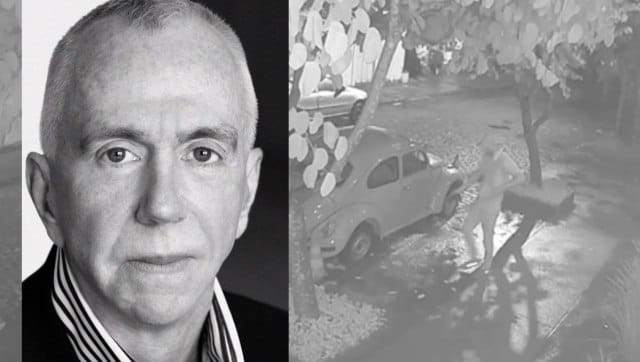
Husband Found Guilty of Scheming Murder of Art Dealer Brent Sikkema
A federal jury has found Daniel Sikkema guilty for his role in the murder-for-hire of his estranged husband, the New York art dealer Brent Sikkema. The 75-year-old gallerist was stabbed 18 times in his Rio de Janeiro townhouse in the early hours of January 14, 2024, in a brutal crime that shocked the art world and left Sikkema’s loved ones searching for answers. | Valentina Di Liscia
Read MoreNews
- Unionized staff at the Ohio State University's Wexner Center for the Arts officially called for the renaming of the institution and other campus buildings due to Les Wexner's ties to Jeffrey Epstein.
- Artist Alejandro Valencia’s work in the Columbia University MFA show is an indictment of the school’s crackdown on pro-Palestine activists, including a student who says she has been denied her degree.
From Our Critics
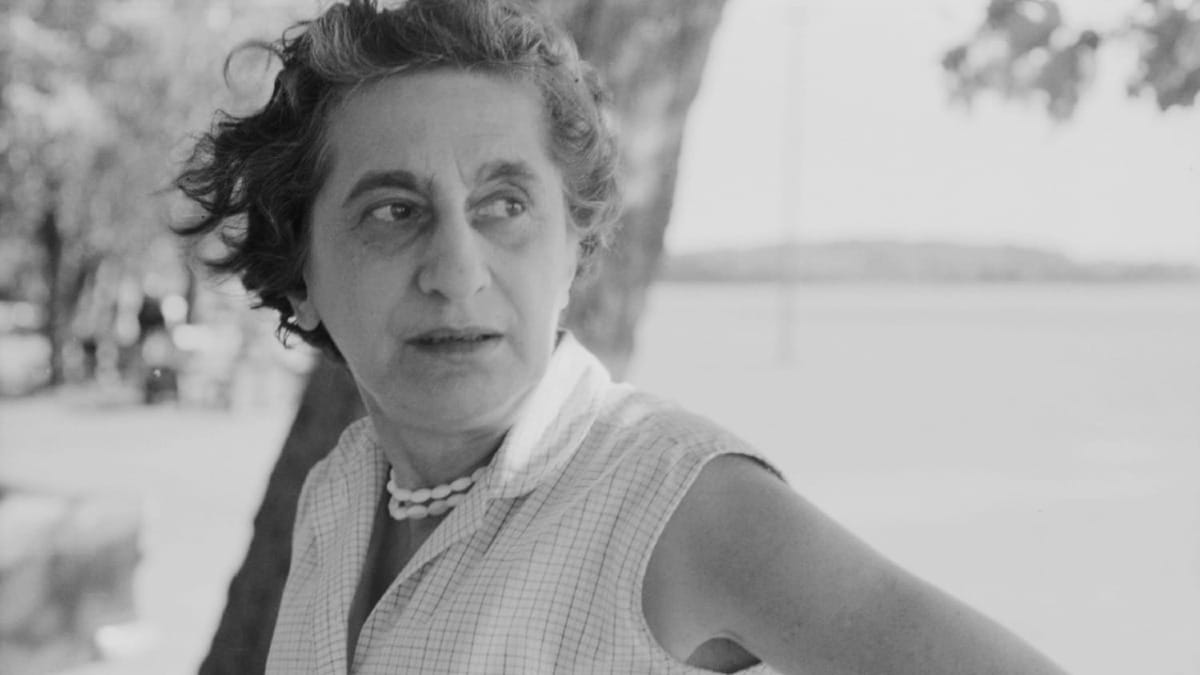
Anni Albers Wasn’t Afraid to Start From Zero
You recognize Anni Albers from her revolutionary, abstract woven artworks, incisive essays, books, art prints, or fabric designs.
But you might not know about the artist’s obsession with white blouses, how much she delighted in English-language idioms, and her penchant for extra-crispy Kentucky Fried Chicken.
Packed with lively detail and illuminating anecdotes, Nicholas Fox Weber’s Anni Albers: A Life traces the historic sweep of the artist’s biography and career, from her birth to a wealthy Jewish family in Berlin in 1899 to her 1933 escape from Nazi Germany to her later years in Connecticut. | Julie Schneider
Read MoreKarla Knight’s Cosmic Conspiracies
What to make of such half-familiar signs? Are they richly composed blueprints for mysterious systems connected to extraterrestrial lifeforms — schematics for advanced engines that could guide us toward wormholes to new coordinates of potential? Or attempts at mapping some underlying substrate of the universe? Such questions emerge from the shifting arrays in paintings and tapestries in Orbit. | Brian Karl
Read MoreFeatures
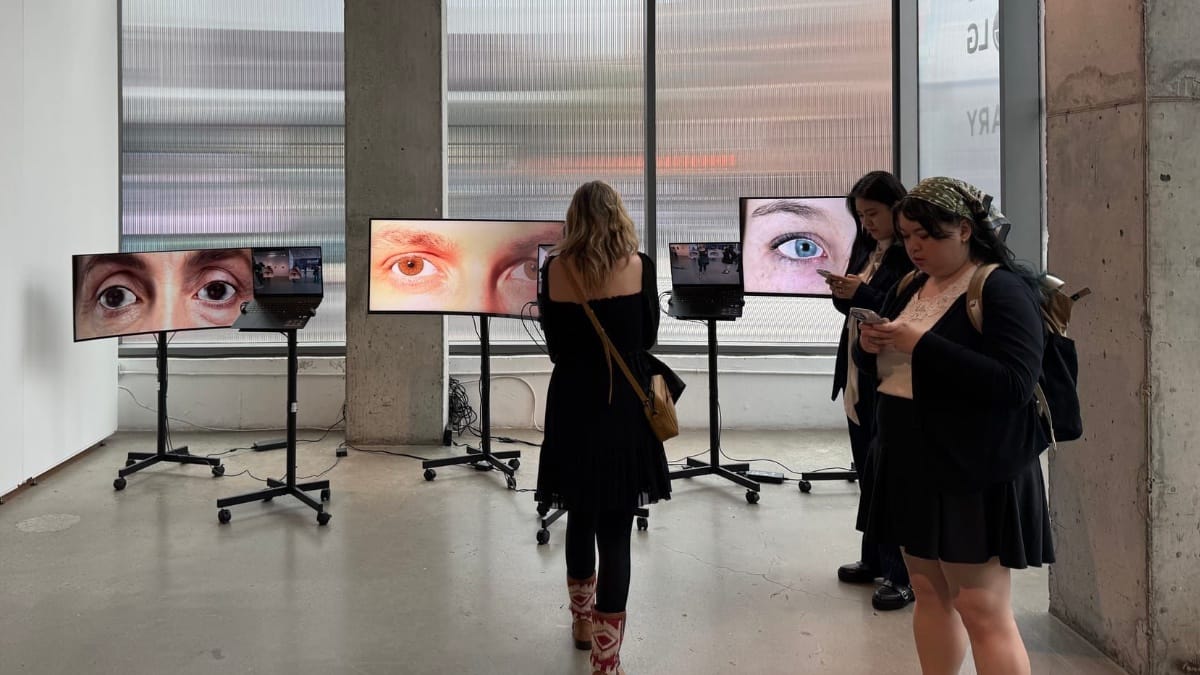
Human Connection Cuts Through Technology at Focus Art Fair
The show, New York’s only art fair dedicated to contemporary Asian art, featured uniquely tender subversions of this year’s topical theme.
Read MoreCommunity
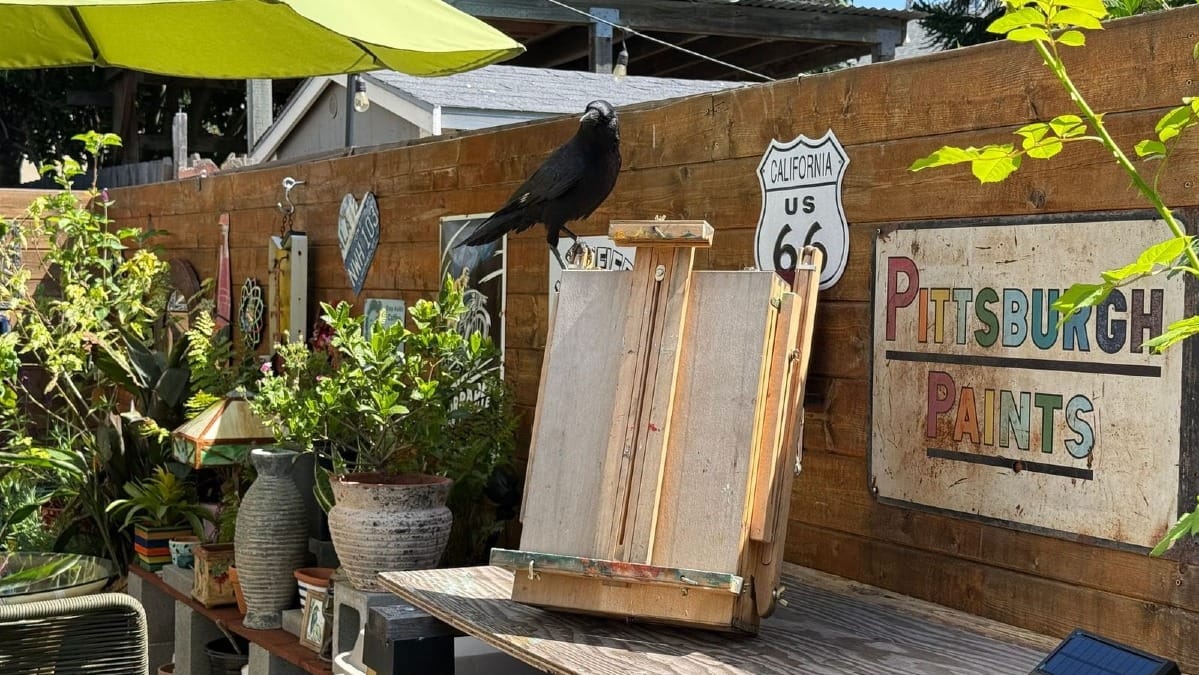
A View From the Easel
Kevin Callahan marks three years in his studio after losing his partner of 39 years and moving to a new home. He still finds reasons to smile as he paints and draws under the California sun.
Read MoreMemorable Moment
From the Archive
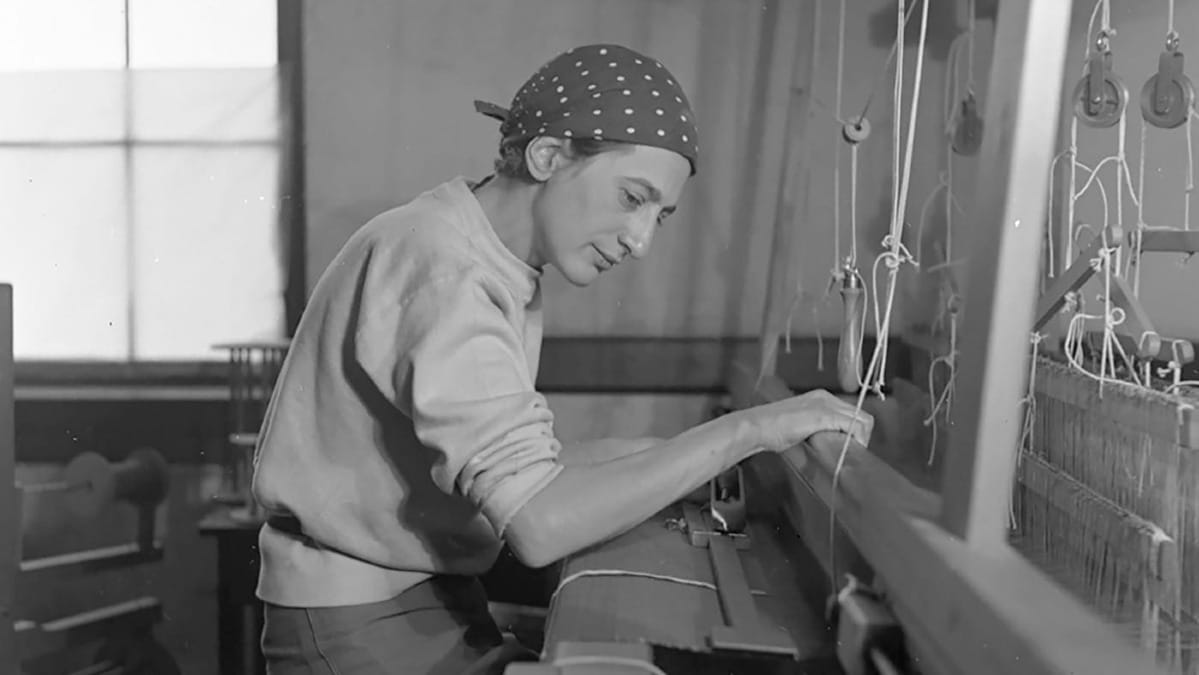
Anni Albers’s Thoughts on Textiles Loom Large
On Weaving offers a model for how to write in a way that incorporates theoretical examination alongside practical content; in it Anni Albers provides valuable — and often overlooked — thoughts on art and creative work. | Becky Peterson
Read Morehyperallergic_feed) wrote2026-05-25 06:30 amPerformance Cuts Through the Noise at the Venice Biennale
VENICE — Unless you were attending a silent retreat the past few weeks, you already know that no other Venice Biennale in recent history has gotten off to a more fraught start than this year’s. In May 2025, its artistic director, Koyo Kouoh, passed away. Then there were canceled pavilions, boycotts protesting Israel and Russia’s participation, and the jury’s resignation. Kouoh’s summons to take a deep breath and exhale was, to say the least, a challenging request.
In the midst of this upheaval, two national pavilions in the Giardini — the Austrian and the Belgian — slice straight through the outside rumbling with boldly experimental and imaginative performances that demanded sustained attention.

The choreographer and performance artist Florentina Holzinger took over the Austrian pavilion with SEA WORLD VENICE, and she wanted anything but for you to close your eyes and shift into lower frequencies — rather, she wants you to experience, with eyes wide open, the world in all its ecological doom. And she demands that you participate. Societal collapse has rarely been so enthralling.
For years now, Holzinger has been a star of the European avant-garde theater world, creating epic spectacles with diverse, all-female casts that sometimes leave audience members (I count myself among them) gasping for air. Her mesmerizing stagecraft — typically marked by queer feminist aesthetics and female nudity so hyper-present that it is no longer a source of mystification — is fully on view in her Venice presentation. One woman is a clapper inside a huge bell, banging it on the hour with her torso. Other performers are suspended from harnesses like gravity-defying sculptures on an immense, slowly turning weathervane.
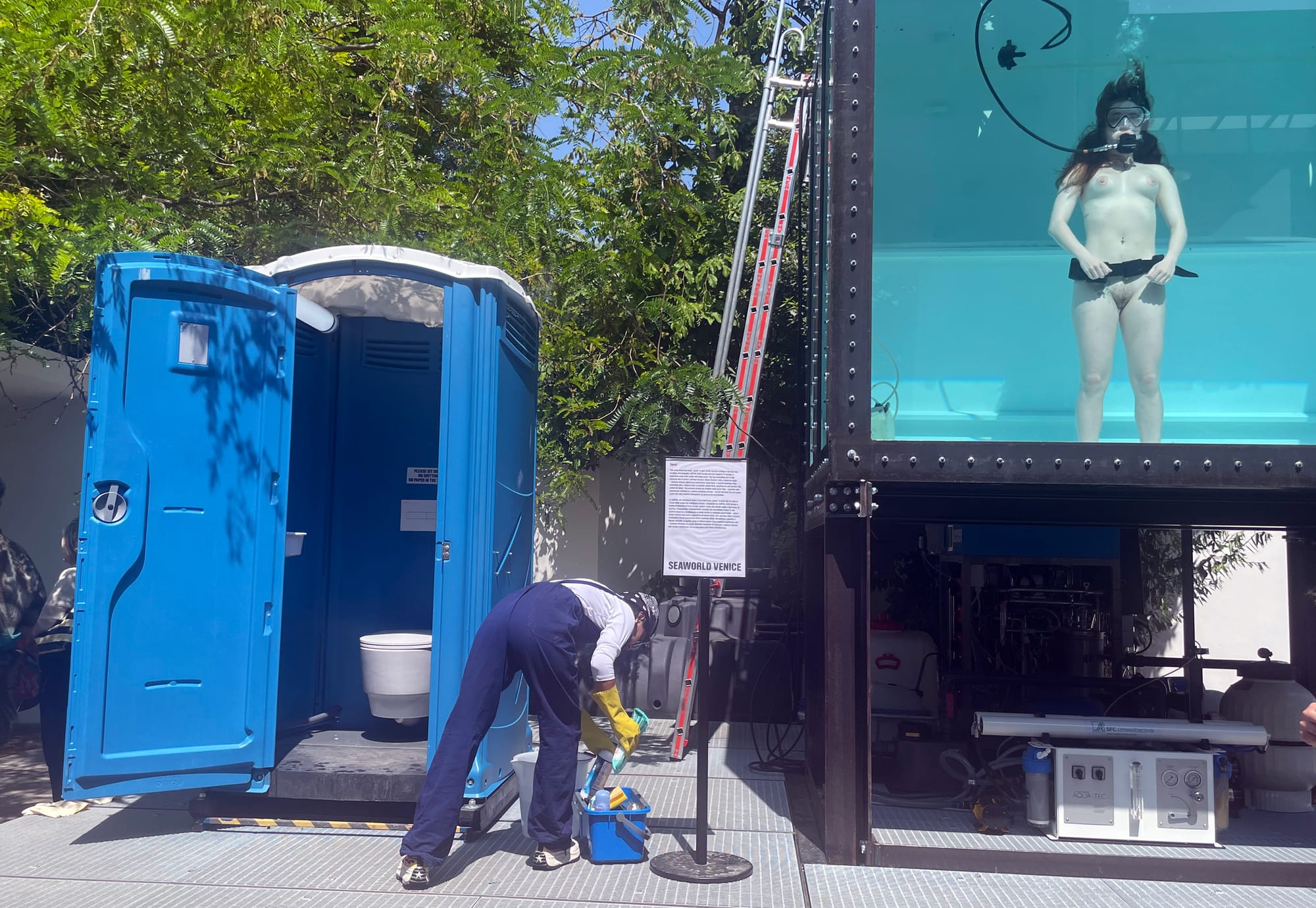
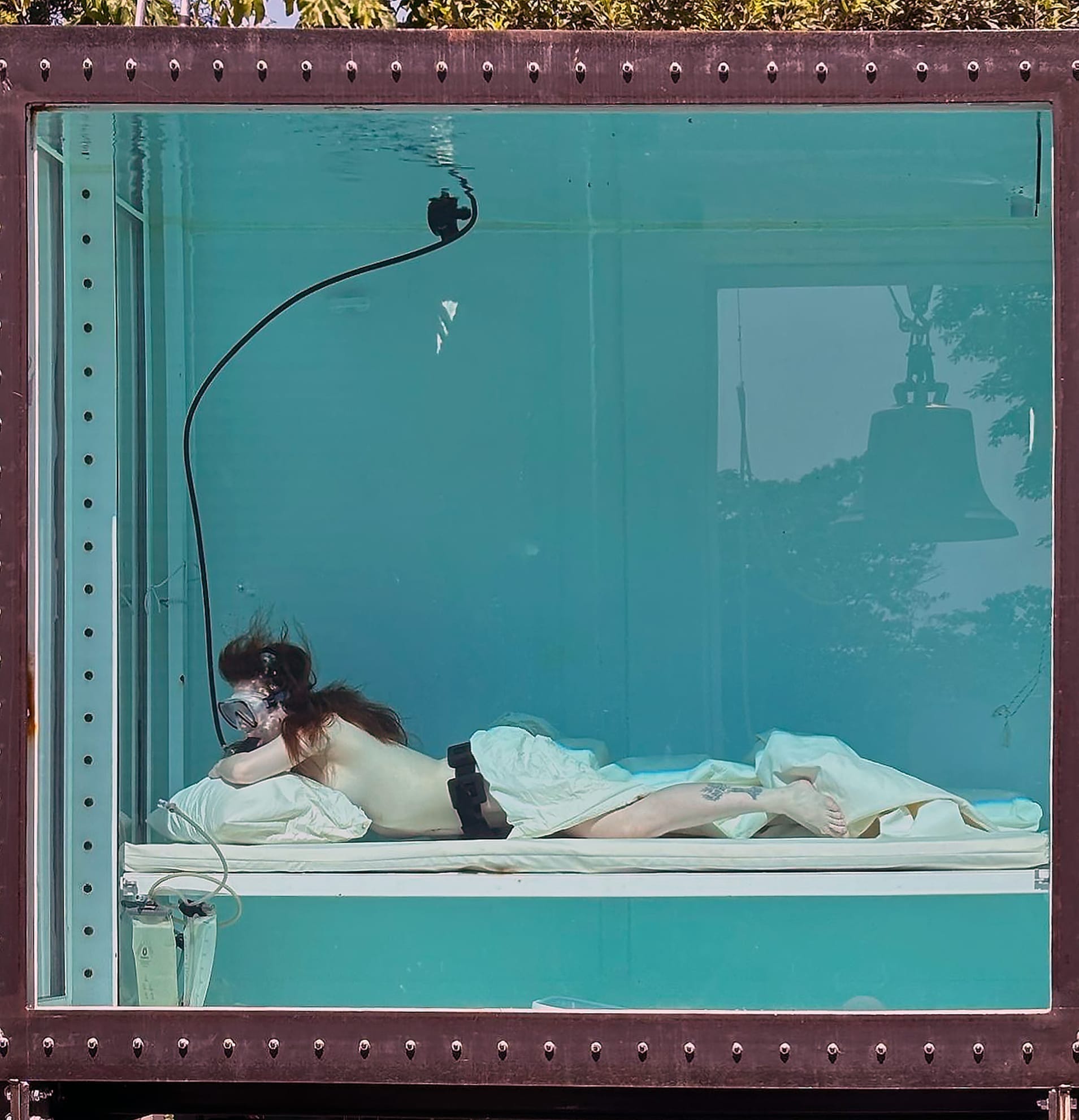
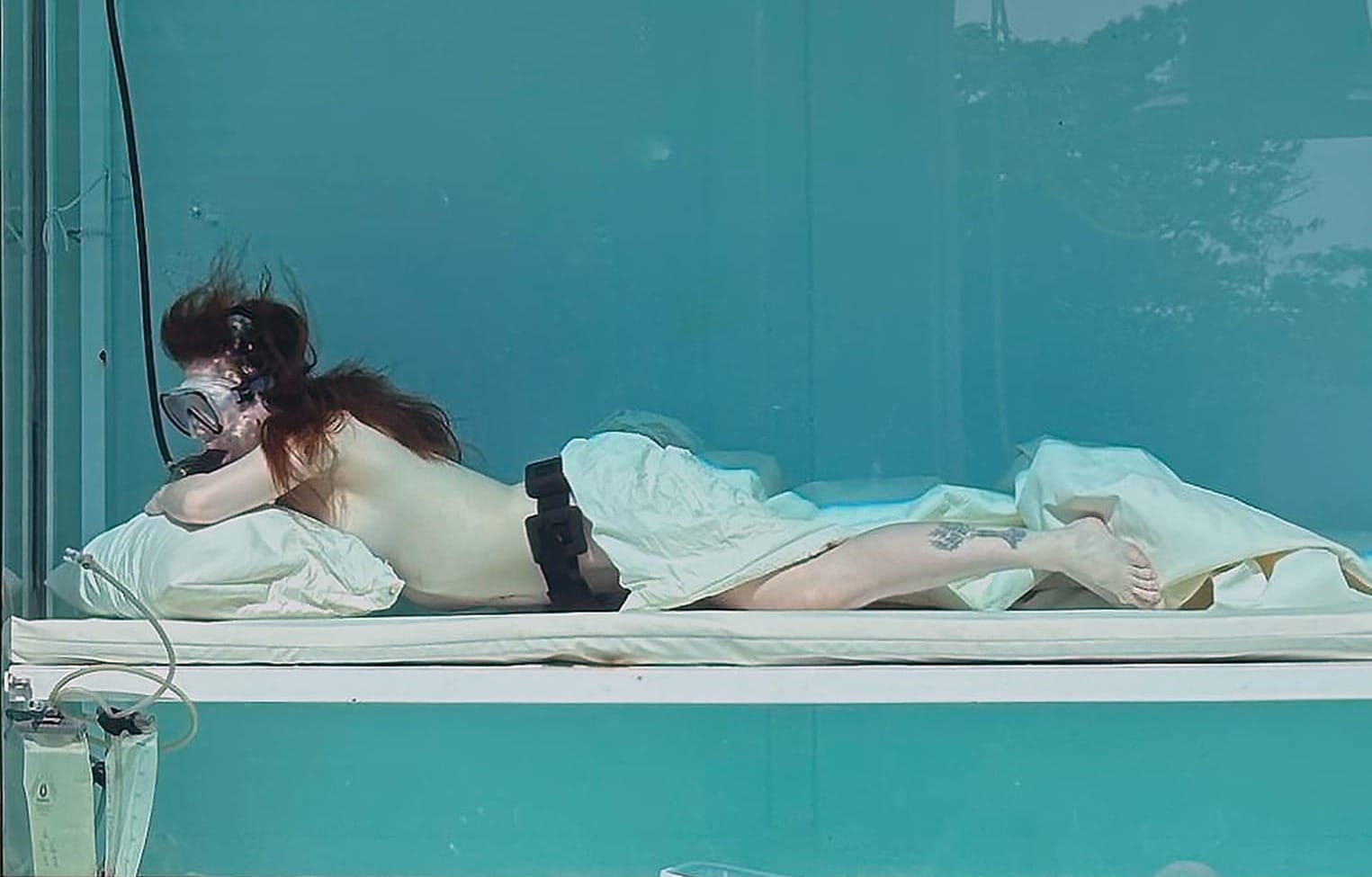
In SEA WORLD VENICE, Holzinger floods the pavilion’s severe modern architecture with water and transforms it into a closed-loop circuit powered by our complicity: In the courtyard, visitors are invited to piss in two bright blue porta-potties flanking a massive water tank fed by the filtered urine, in which an impassive performer wearing only a scuba mask and mouthpiece remains submerged for hours at a time.
Next door is a kind of sewage station where “maintenance workers” frantically try to manage out-of-control tubes, spraying the windows with a vile-looking brown fluid. Inside the flooded pavilion, another performer jet-skis in circles at full speed. It is an aquatic theme park gone awry — presumably the result of our lack of care and greed — and we are hopelessly submerged in it.
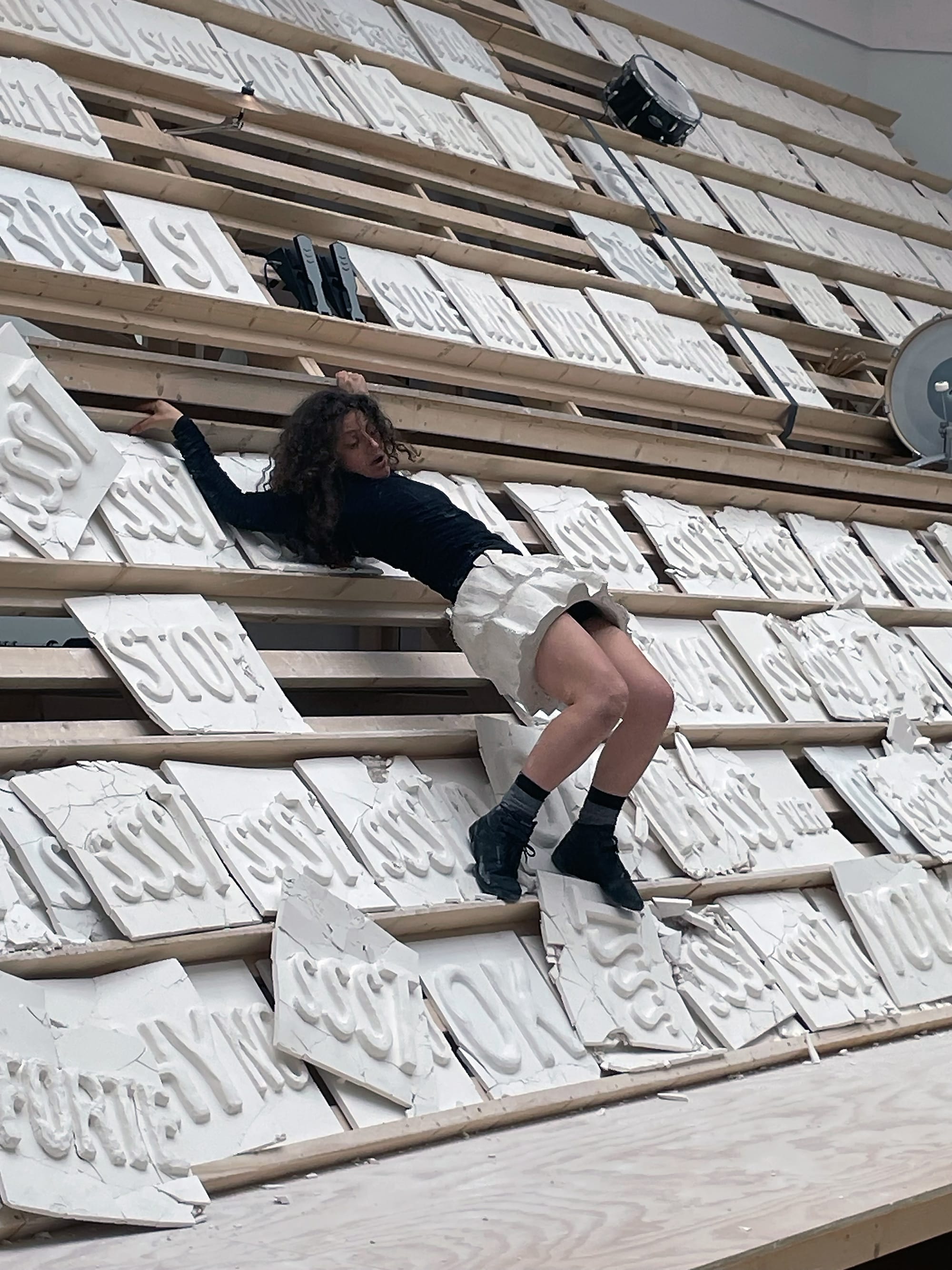
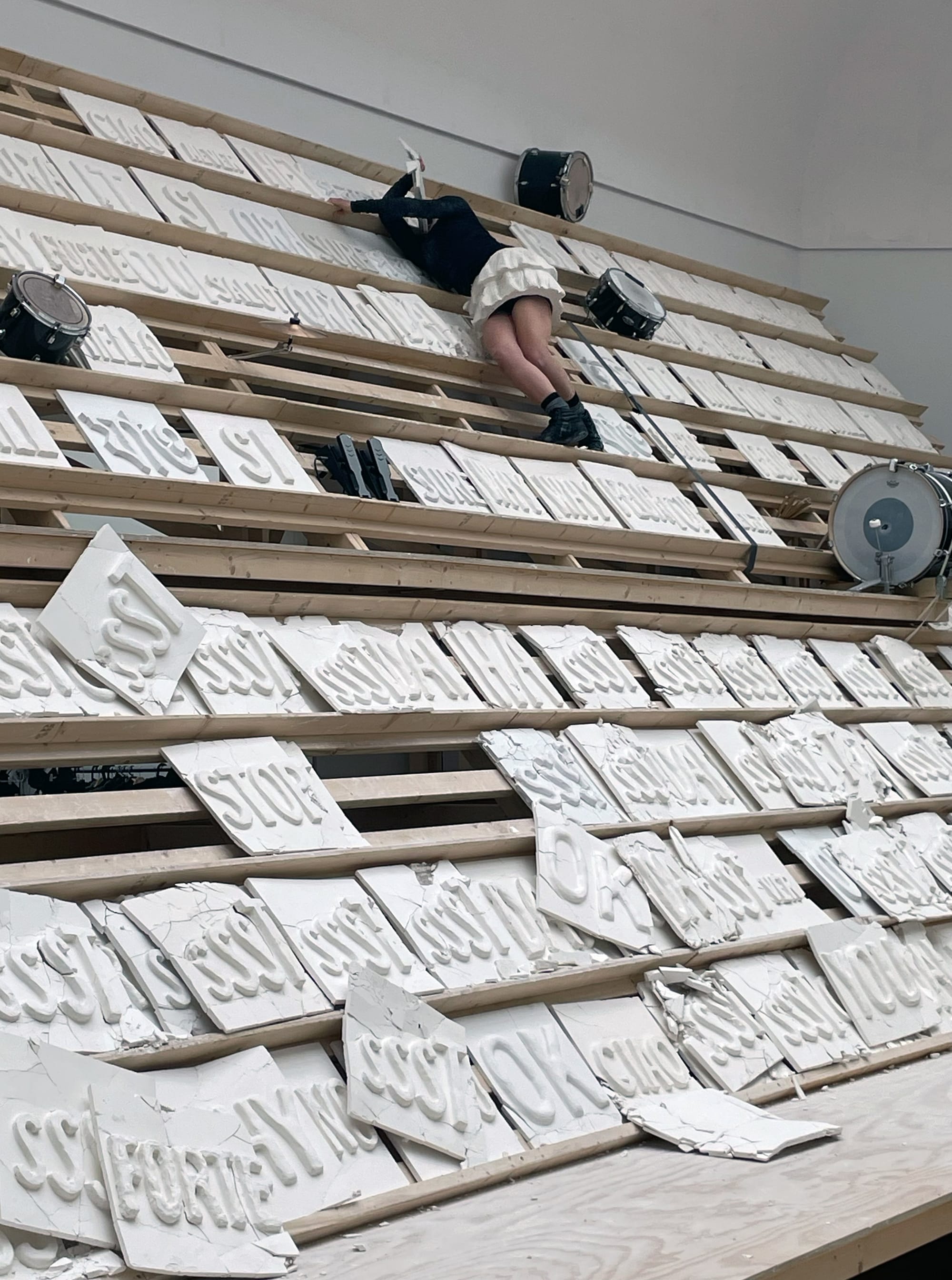
Installation views of IT NEVER SSST, Miet Warlop’s presentation at the Belgian pavilion of the 2026 Venice Biennale
A few hundred yards away, Miet Warlop transforms the Belgian pavilion into something between a construction site and a sports arena, with bleachers lined with plaster tiles etched with multilingual greetings and fragments of speech (“SST,” “HOLA,” “OUI,” “STOP,” “SALAM”…). IT NEVER SSST marks the first time Belgium has devoted its pavilion to performance. Throughout the opening hours, performers — Warlop's "living sculptures" — frenetically darted up and down, hurling tiles between one another while ritualistically chanting, dancing, drumming, and stomping. Warlop has a background in visual arts; her signature is visually arresting tableaux vivants bristling with controlled chaos, with undercurrents of alienation and longing. She has carved out a distinctive place for herself in the experimental theater circuit, as seen in recent works such as Inhale Delirium Exhale, which I saw in Madrid last March, in which performers manipulated — at times mastering, and at others struggling with — 1,500 yards of silk.
One of the most affecting performances in Warlop’s pavilion is a solo by cast member Alice Marchiori. She begins by spinning a record, and instantly, Barry White’s deep, velvety, albeit distorted, voice fills the space. Then, standing only an arm’s length from the audience, Marchiori painstakingly struggles to put on a constricting miniskirt cast in plaster — Warlop calls it “the skirt inside the head,” curator Caroline Dumalin told me — her legs bearing bruises from the effort, before proceeding to climb the bleachers. The grueling sequence folds together Warlop’s language of instability, endurance, and collapse.
Marchiori’s mix of athleticism and almost ecstatic concentration brings the room to a standstill. During the seemingly endless climb, the constricting skirt progressively crumbles against her body. Then, finally, we feel a collective sense of cathartic release when her body rolls perilously down the bleachers, sending plaster tiles crashing to the floor on the way down. Sweaty and covered in plaster dust, she then rolls onto a table and simply lies there, breathing. We finally exhale.
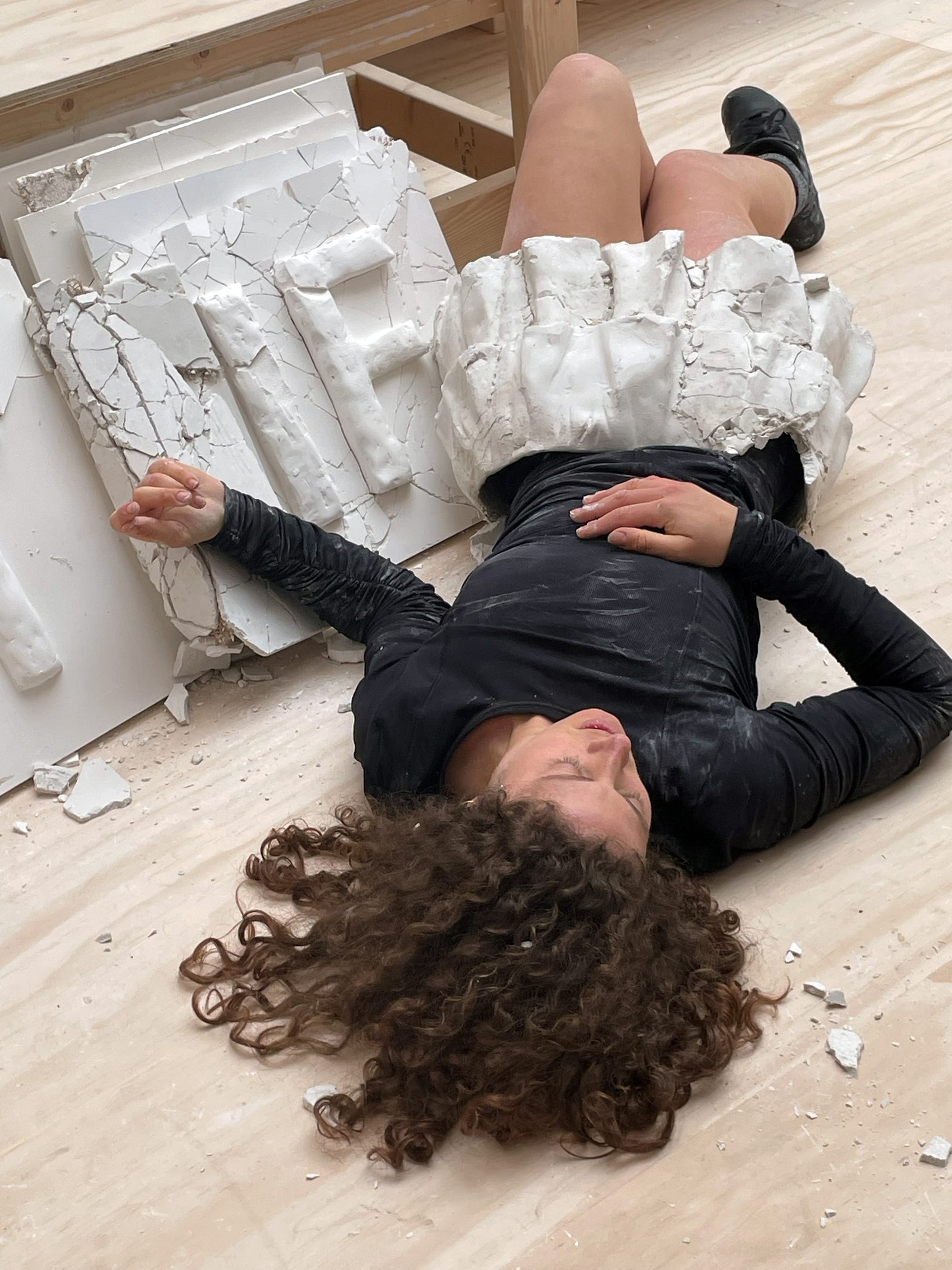
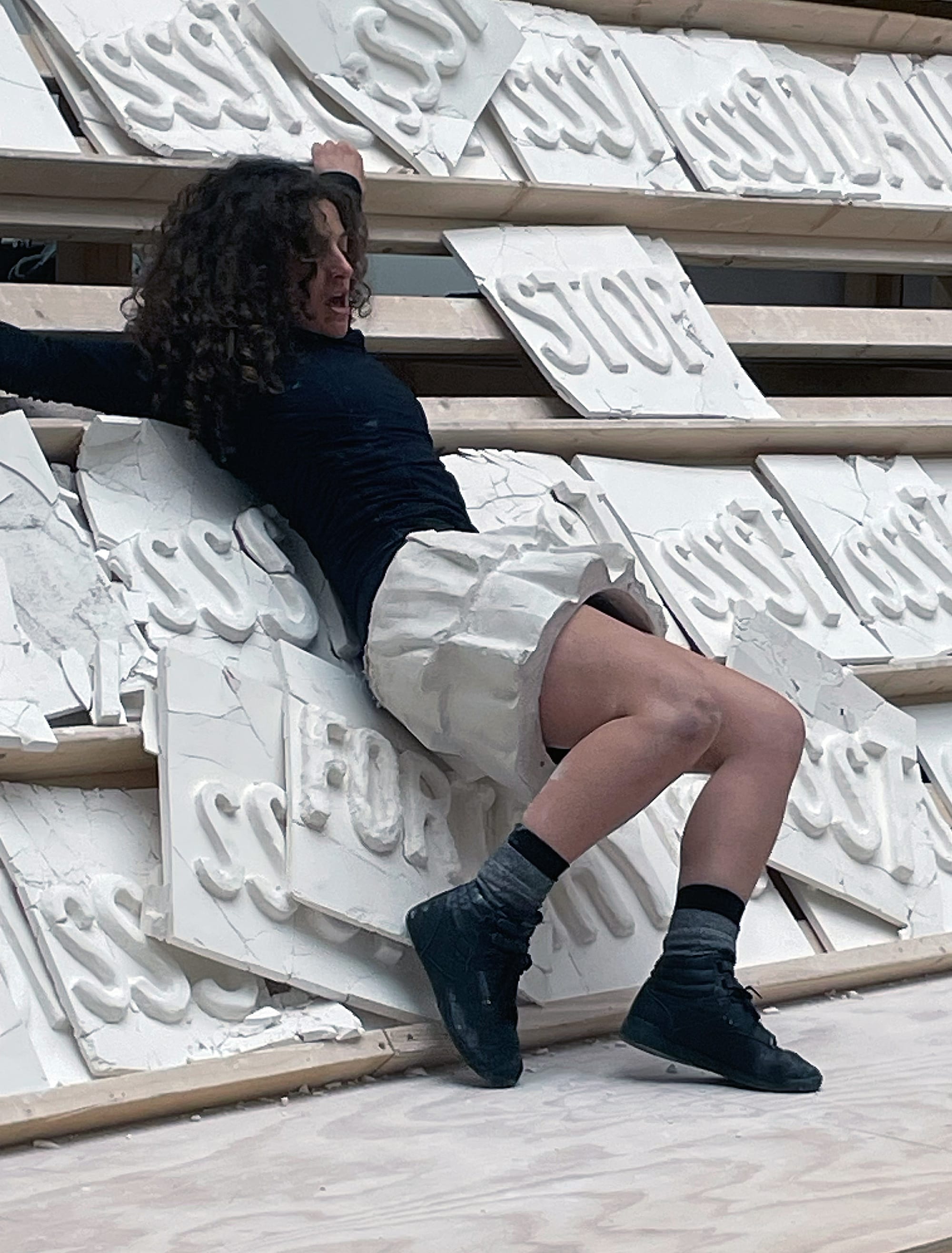
Installation views of IT NEVER SSST, Miet Warlop’s presentation at the Belgian pavilion of the 2026 Venice Biennale
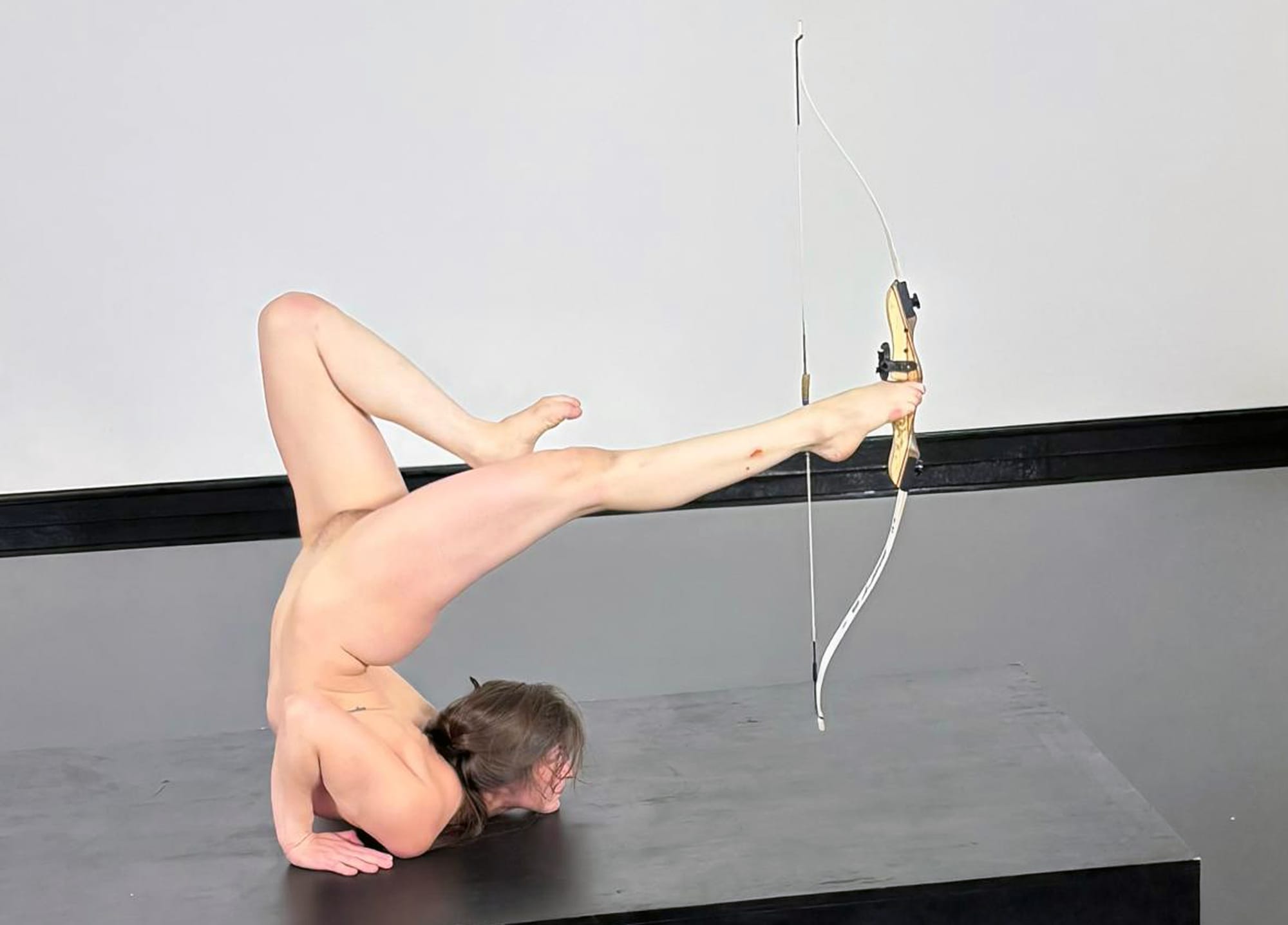
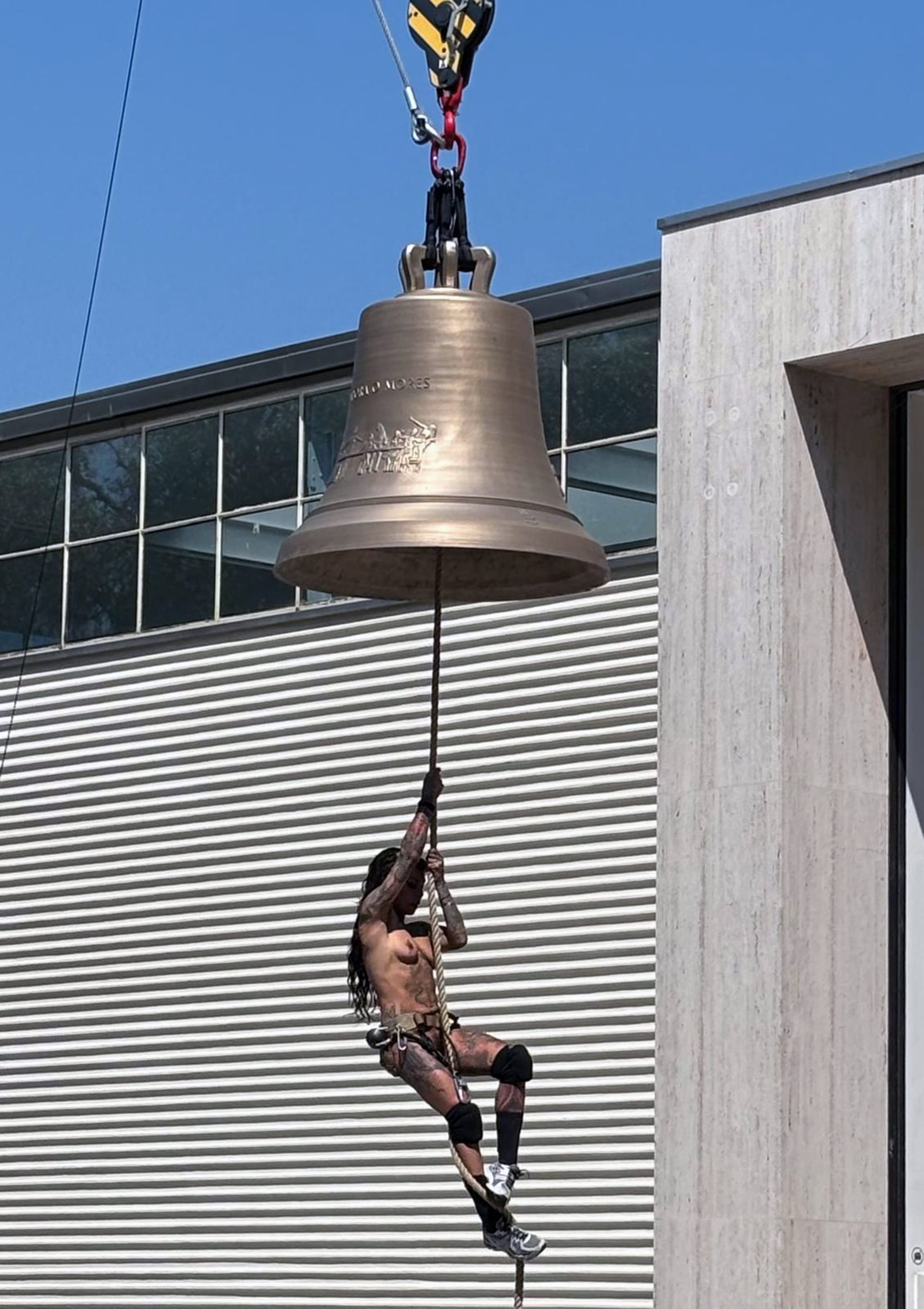
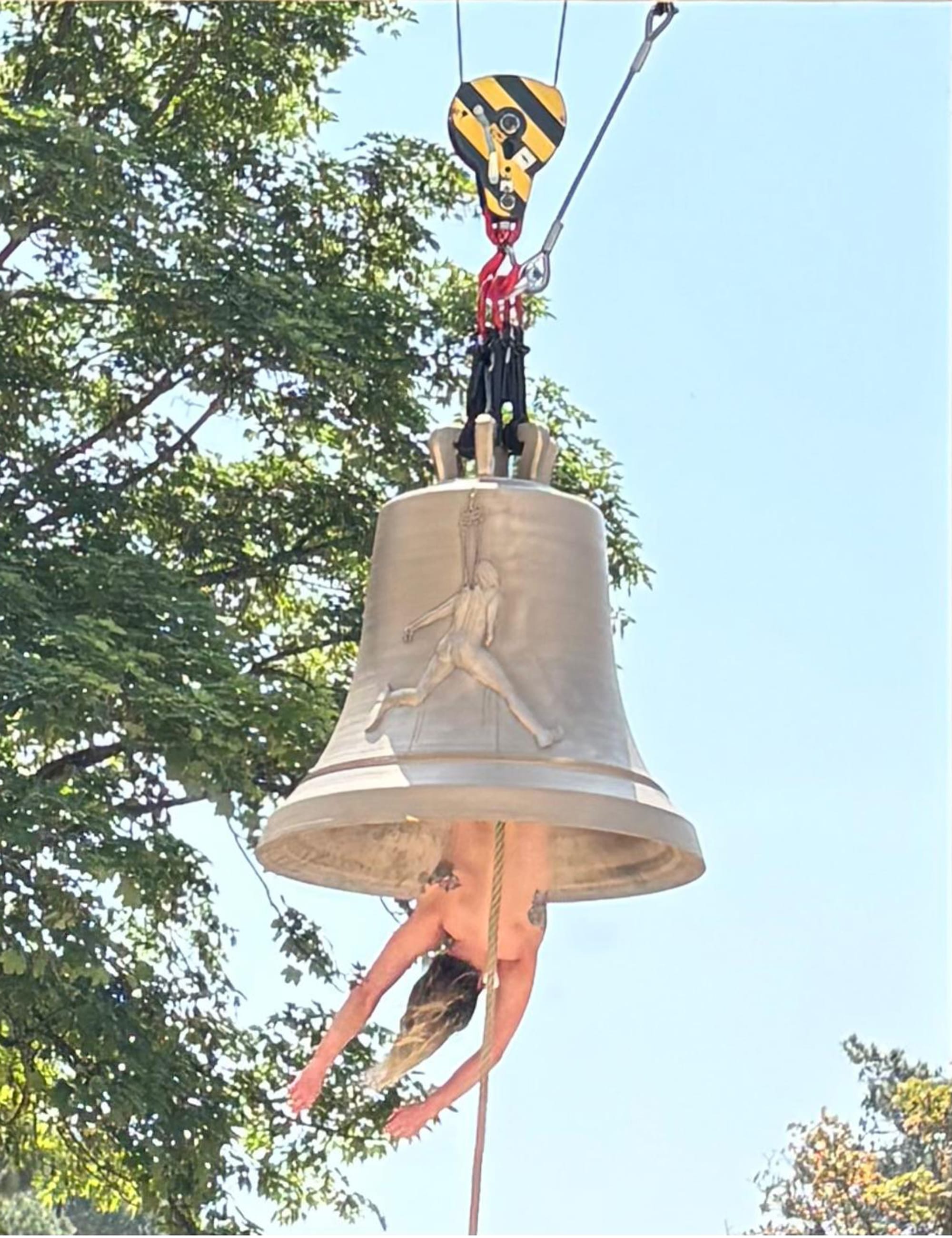
Installation views of SEA WORLD VENICE, Florentina Holzinger's presentation at the Austrian pavilion of the 2026 Venice Biennale
Miet Warlop: IT NEVER SSST and Florentina Holzinger: Seaworld Venice continue at the Belgian pavilion and Austrian pavilion, respectively, at the 2026 Venice Biennale (Giardini della Biennale, Calle Giazzo, Venice, Italy) through November 22. The exhibitions were curated by Caroline Dumalin and Nora-Swantje Almes, respectively.
animefeminist_feed) wrote2026-05-25 02:28 amChatty AF 243: 2026 Spring Mid-Season Check-In
Dee, Caitlin, and Peter check in on the 2026 Spring season where they actually get to spend most of their time talking about Feminist Potential titles! Episode Information Date Recorded: May 17th, 2026Hosts: Dee, Caitlin, Peter Episode Breakdown 0:00:00 IntroNeutral Zone0:01:36 MAO0:10:05 Daemons of the Shadow Realm0:16:28 Botan Kamiina Fully Blossoms When DrunkIt’s… Complicated0:22:16 Nippon Sangoku0:27:53 […]
The post Chatty AF 243: 2026 Spring Mid-Season Check-In appeared first on Anime Feminist.
![[personal profile]](https://www.dreamwidth.org/img/silk/identity/user.png) ecosophia) wrote2026-05-24 10:16 pm
ecosophia) wrote2026-05-24 10:16 pm
Magic Monday
 It's a little before midnight and so it's time to launch a new Magic Monday. Ask me anything about occultism, and with certain exceptions noted below, any question received by midnight Monday Eastern time will get an answer. Please note: Any question or comment received after that point will not get an answer, and in fact will not be put through. If you're in a hurry, or suspect you may be the 341,928th person to ask a question, please check out the very rough version 1.3 of The Magic Monday FAQ here.
 Also: I will not be putting through or answering any more questions about practicing magic around children. I've answered those in simple declarative sentences in the FAQ. If you read the FAQ and don't think your question has been answered, read it again. If that doesn't help, consider remedial reading classes; yes, it really is as simple and straightforward as the FAQ says. And further: I've decided that questions about getting goodies from spirits are also permanently off topic here. The point of occultism is to develop your own capacities, not to try to bully or wheedle other beings into doing things for you. I've discussed this in a post on my blog.
(The meme? I've finished the sequence of my published books; while I decide what I want to do next, I have some memes to share. Besides, this one's such a perfect summary of certain points I've been trying to make in recent posts over on the blog...)
Buy Me A Coffee
Ko-Fi
I've had several people ask about tipping me for answers here, and though I certainly don't require that I won't turn it down. You can use either of the links above to access my online tip jar; Buymeacoffee is good for small tips, Ko-Fi is better for larger ones. (I used to use PayPal but they developed an allergy to free speech, so I've developed an allergy to them.) If you're interested in political and economic astrology, or simply prefer to use a subscription service to support your favorite authors, you can find my Patreon page here and my SubscribeStar page here.
 I've also had quite a few people over the years ask me where they should buy my books, and here's the answer. Bookshop.org is an alternative online bookstore that supports local bookstores and authors, which a certain gargantuan corporation doesn't, and I have a shop there, which you can check out here. Please consider patronizing it if you'd like to purchase any of my books online.
And don't forget to look up your Pangalactic New Age Soul Signature at CosmicOom.com.
***This Magic Monday is now closed, and no more comments will be put through. See you next week!***
truthout_feed) wrote2026-05-24 08:43 pmTulsi Gabbard Exit Marks Fourth Woman to Leave Trump Cabinet
President Donald Trump’s second Cabinet was never exceptionally diverse from the start. And in the past three months, four women have been fired or resigned. The first to go, on March 5, was ex-Homeland Security Secretary Kristi Noem, the face of the Trump administration’s mass deportation agenda. Then, less than a month later, Trump ousted former Attorney General Pam Bondi. On April 20…
truthout_feed) wrote2026-05-24 07:43 pmBlack Farmers Warn Pollution Is Changing The Food on Our Plates
If you’re lucky, your family is still using great‑grandma’s red beans and rice, black‑eyed peas, and potato salad recipes. And if you’re extremely fortunate, those meals might still taste like home, even without her hands. But climate pollution has quietly made sure that the food on your plates is not the same food she was eating. Rising carbon dioxide in the atmosphere is stripping nutrients…